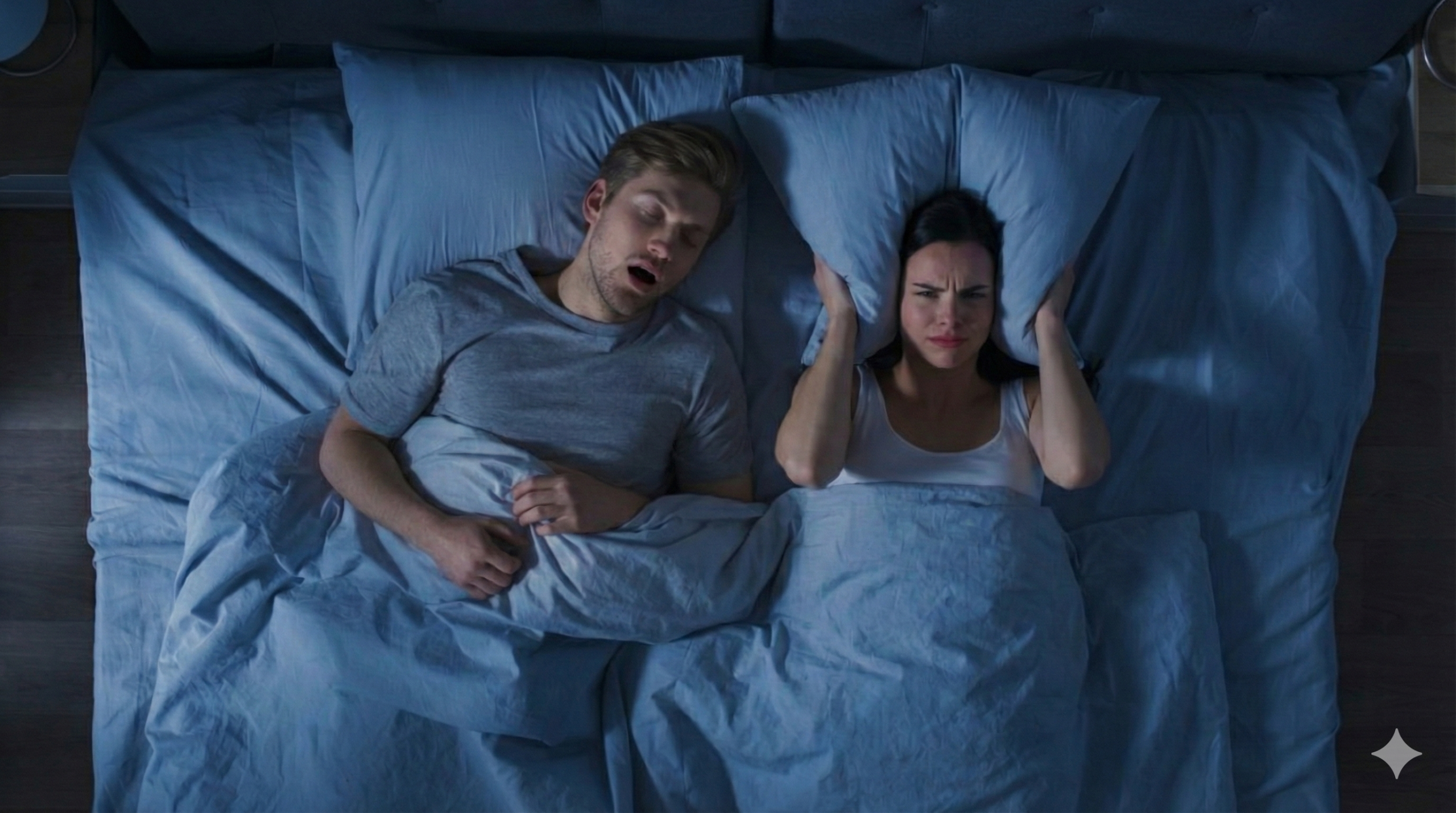
Snoring is often perceived as a mere annoying noise, a couple’s problem, or a family joke. Yet, it is a complex physiological phenomenon that can reveal an imbalance in nocturnal respiratory mechanics. Before buying an anti-snoring mouthguard or any other solution, it is essential to understand why you are really snoring.
Snoring occurs when air struggles to flow through the upper airways during sleep. When we fall asleep, the body’s muscles—including those of the tongue and throat—relax. In some people, this relaxation leads to a partial collapse of the soft tissues at the back of the throat. The airway then becomes narrower. The air passing through this reduced space causes vibrations. These vibrations produce the characteristic sound of snoring.
The role of the jaw and tongue
One of the most frequent causes of snoring is the position of the lower jaw. If it is naturally slightly receded, the space behind the tongue is reduced. When the body relaxes during sleep, the tongue tends to fall backward, partially obstructing the airways.
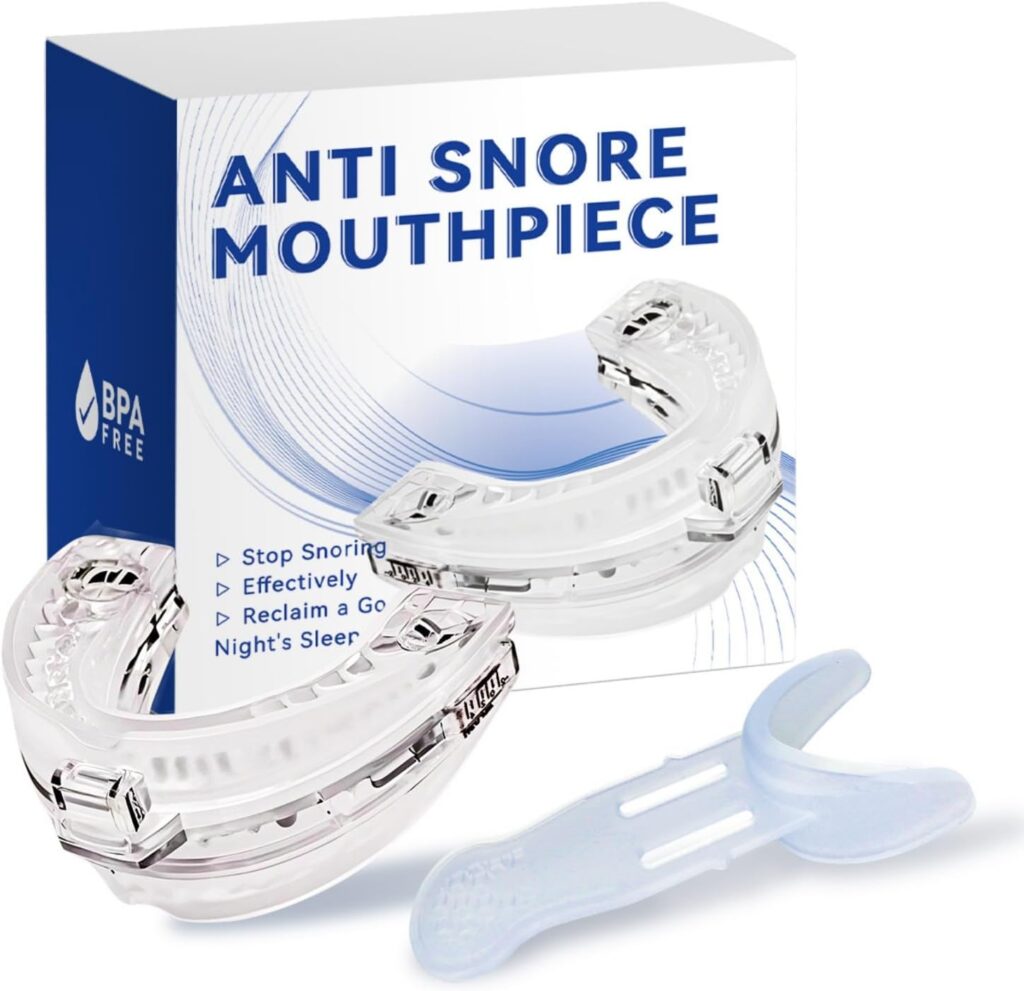
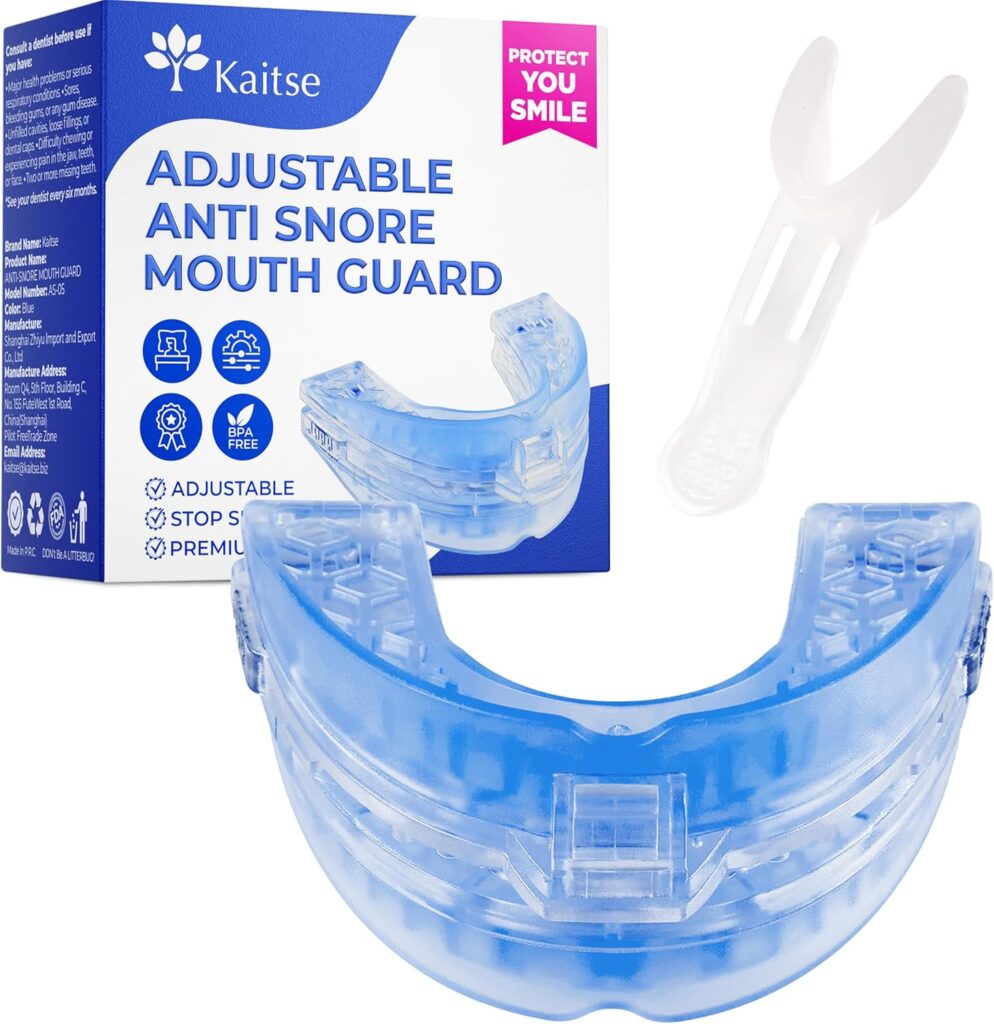
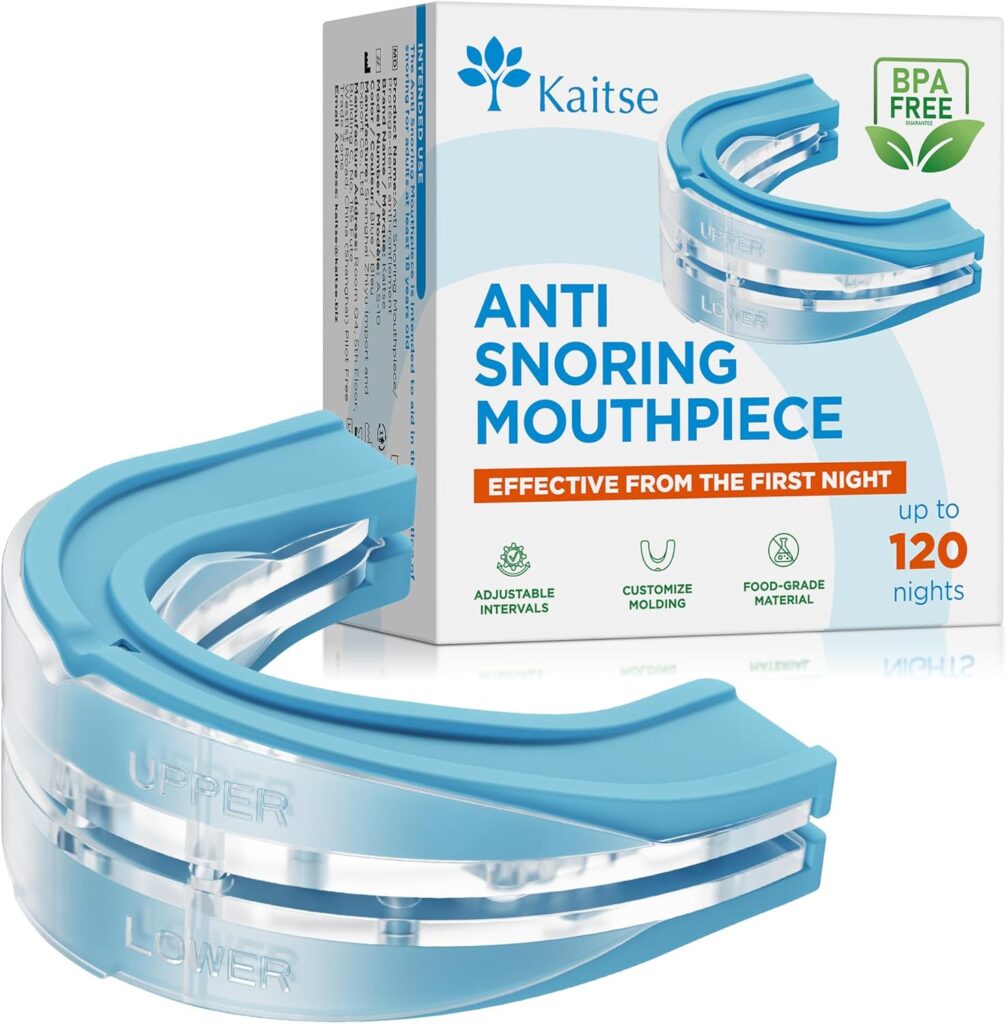
It is precisely this anatomical configuration that makes anti-snoring mouthguards particularly interesting. These devices slightly advance the lower jaw to open the airway and limit the collapse of the tongue.
However, not all snoring is caused by the jaw.
The main causes of snoring
1. Sleeping position
Sleeping on your back promotes the tongue falling backward. For some people, changing position is enough to reduce snoring. For others, it doesn’t completely solve the problem.
2. Overweight
Excess tissue around the neck can put pressure on the airways. Even moderate weight loss can improve nocturnal breathing.
3. Alcohol and sedatives
These substances increase muscle relaxation and worsen snoring.
4. Nasal congestion
Allergies, colds, sinusitis, or a deviated septum can limit nasal breathing and force mouth breathing, which promotes snoring.
5. Aging
With age, tissues naturally lose their tone. This explains why snoring increases after 40-50 years.
Simple Snoring or Sleep Apnea?
It is important to distinguish simple snoring from obstructive sleep apnea. Apnea is characterized by repeated breathing pauses during the night. These interruptions can last several seconds and profoundly disrupt sleep.
Warning signs include:
- Excessive fatigue upon waking
- Morning headaches
- Daytime sleepiness
- Breathing pauses observed by a partner
In cases of mild to moderate apnea, certain mandibular advancement devices may be recommended under medical supervision. In contrast, severe apnea generally requires specific treatment such as CPAP.
Why understanding the cause changes everything
Many people buy an anti-snoring solution without analyzing the source of the problem. The result: disappointment, discomfort, or product abandonment.
If your snoring is mainly due to:
- A receded jaw → a mouthguard may be relevant.
- Chronic nasal congestion → nasal treatment may be a priority.
- A dorsal position → a positional device may suffice.
Identifying the cause helps avoid unnecessary expenses.
The indirect benefits of adapted treatment
Reducing snoring is not just about the noise. Benefits include:
- Improved sleep quality
- Reduced fatigue
- Better concentration
- Reduced marital tension
- A sense of control over one’s health
Deeper sleep also improves muscle recovery, hormonal balance, and stress management.
When to consider a mouthguard?
An anti-snoring mouthguard is particularly interesting if:
- You snore mainly on your back
- Your partner observes that your jaw seems receded
- You breathe more through your mouth
- Nasal strips haven’t worked
It is a simple, non-invasive, and generally affordable mechanical solution compared to other medical options.
That said, an adaptation period is normal. Comfort largely depends on the chosen model and adjustment.